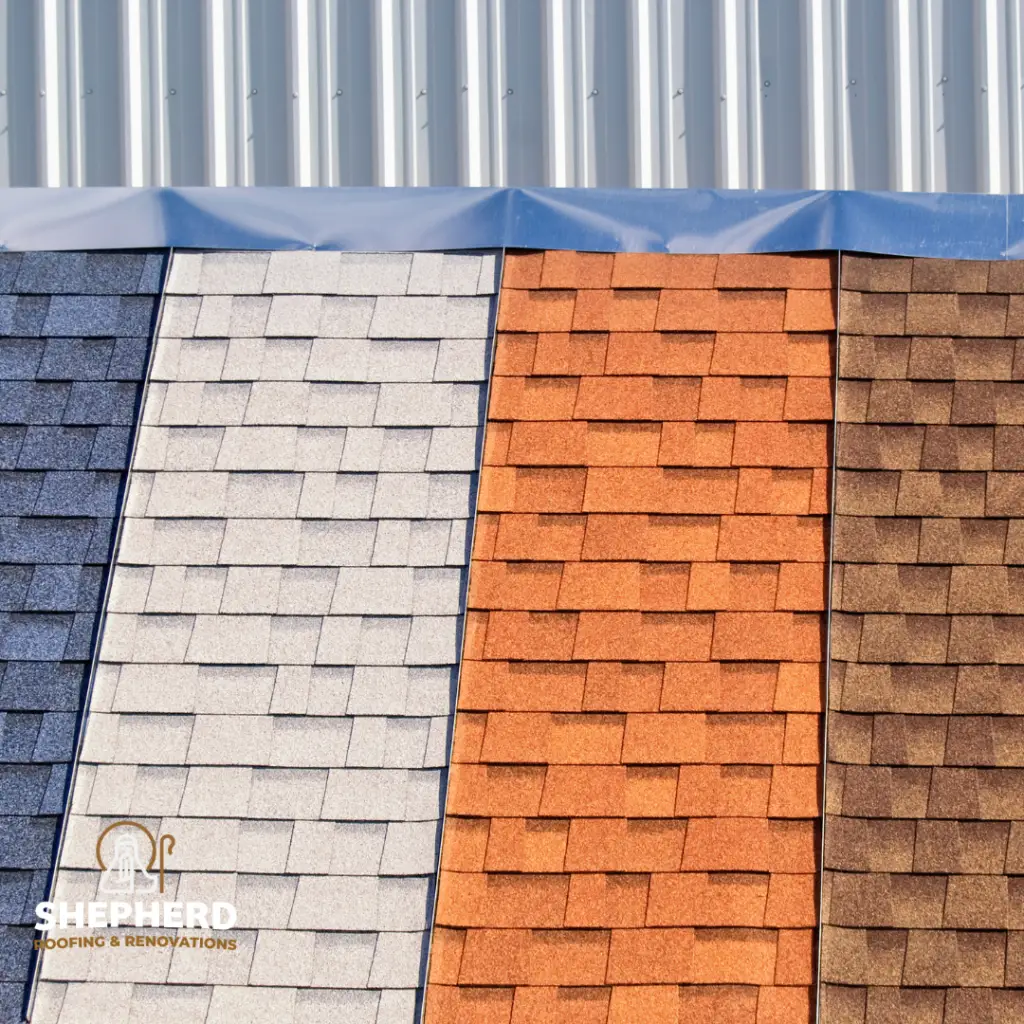
Selecting the right roof color is more than just picking something that looks good—it’s about finding a shade that complements your home’s architectural style, enhances curb appeal, and creates a cohesive look with the rest of your property. With so many options available, choosing the perfect roof color can feel overwhelming. Here’s a guide to help you find the right roof color for your home’s style and boost its overall appearance.
1. Consider Your Home’s Architectural Style
Certain roof colors tend to complement different architectural styles best. By matching your roof to your home’s design, you can create a well-balanced and intentional look.
- Traditional Homes (Colonial, Victorian, Cape Cod): Traditional homes often feature classic, neutral colors like beige, white, or brick red. Darker roof colors, such as charcoal, dark brown, or slate gray, are ideal for these homes because they add contrast and a touch of elegance. For Victorian homes, you might consider deeper shades like dark green or even burgundy for a period-appropriate look.
- Modern or Contemporary Homes: Modern homes often have clean lines, flat surfaces, and minimalist color palettes. A roof in a solid, bold color like black or dark gray can complement the sleek design of a modern home. Alternatively, a lighter gray or metallic finish can add a unique touch to contemporary designs, strikingly contrasting white or neutral exterior walls.
- Mediterranean or Spanish-Style Homes: These homes typically feature stucco walls, arches, and terracotta or red-tiled roofs. For this style, earth-toned roof colors like deep red, terracotta, or warm brown are the go-to choices. These shades blend well with the warm exterior colors, creating a cohesive and authentic look.
- Cottage or Craftsman-Style Homes: These charming, often nature-inspired homes look best with earthy roof colors that blend with their surroundings. Think mossy greens, soft browns, or slate blues. These shades work well with the natural materials often found in Craftsman homes, like wood siding and stone.
- Ranch-Style Homes: Ranch homes often have low, long rooflines, making the roof a prominent feature of the home’s exterior. Lighter roof colors, like tan, light brown, or gray, can help keep the roof from feeling too heavy or dominant. These colors also pair well with brick or stone exteriors often found in ranch homes.
2. Consider the Climate
Depending on your local climate, the color of your roof can also impact your home’s energy efficiency. Lighter colors reflect more sunlight, helping keep your home cooler, while darker shades absorb heat, helping you retain warmth during cooler months.
- Warm Climates: If you live in a region with hot summers, consider lighter-colored roofs like pale gray, light brown, or even white. These colors reflect sunlight, helping to keep your home cooler and potentially reducing energy costs associated with air conditioning.
- Cool Climates: In areas with cooler temperatures, darker roof colors like black, deep gray, or dark brown can help absorb heat from the sun, keeping your home warmer and potentially reducing heating costs during the winter months.
3. Match the Roof to Your Home’s Exterior Colors
To ensure your roof complements your home, consider the color of your exterior walls, trim, and landscaping. The goal is to create a balanced look that enhances your home’s overall appearance.
- Light-Colored Exteriors: If your home’s exterior is a light color like white, beige, or light gray, a darker roof color can add contrast and create visual interest. Shades like charcoal, dark brown, or slate can provide a classic, timeless look.
- Dark-Colored Exteriors: For homes with darker siding, such as deep blues, greens, or dark brick, consider a lighter roof color to create contrast and balance. A gray, light brown, or even a warm tan roof can help break up the darker hues and create a more balanced look.
- Brick or Stone Exteriors: Homes with brick or stone exteriors look best with roof colors that either match or complement the natural tones in the masonry. For example, if your brick is reddish, a brown or deep red roof can tie the look together. If you have cooler-toned stone, like gray or blue, opt for a slate or dark gray roof.
4. Think About the Surrounding Landscape
Your home’s surroundings can also influence your choice of roof color. Consider how the roof will look against the backdrop of your neighborhood and natural environment.
- Urban Settings: In urban settings, a roof that matches the style of nearby homes can create a cohesive neighborhood look. Neutral colors like gray, black, or brown tend to work well in these environments.
- Rural or Wooded Areas: Homes surrounded by trees and greenery often look best with earth-toned roofs that blend with the natural landscape. Consider shades of green, brown, or even muted reds.
- Coastal Areas: If your home is near the coast, consider colors that reflect the coastal palette, such as light blue, gray, or sandy beige. These colors can complement the natural beauty of the sea and sky.
5. Visualize Before You Decide
Before making a final decision, try to visualize how the roof color will look on your home. Many roofing manufacturers offer online tools or visualizers that allow you to upload a photo of your home and see how different roof colors will look. This can be incredibly helpful for making a confident decision.
Choosing the right roof color can elevate your home’s curb appeal and create a look that you’ll love for years to come. At Shepherd Roofing & Renovations, we’re here to help you make the best choice for your home’s style and your personal preferences. Contact us today for a consultation and let us guide you through the process of selecting the perfect roof color for your home.
Phone:972-244-3705
Website: hireShepherd.com
Let Shepherd Roofing & Renovations bring your vision to life with a roof that’s as beautiful as it is durable.